Chapter II · Memory
Can we return to the past?
On nostalgia, changing memories, and carrying the past into a life that is still unfolding.
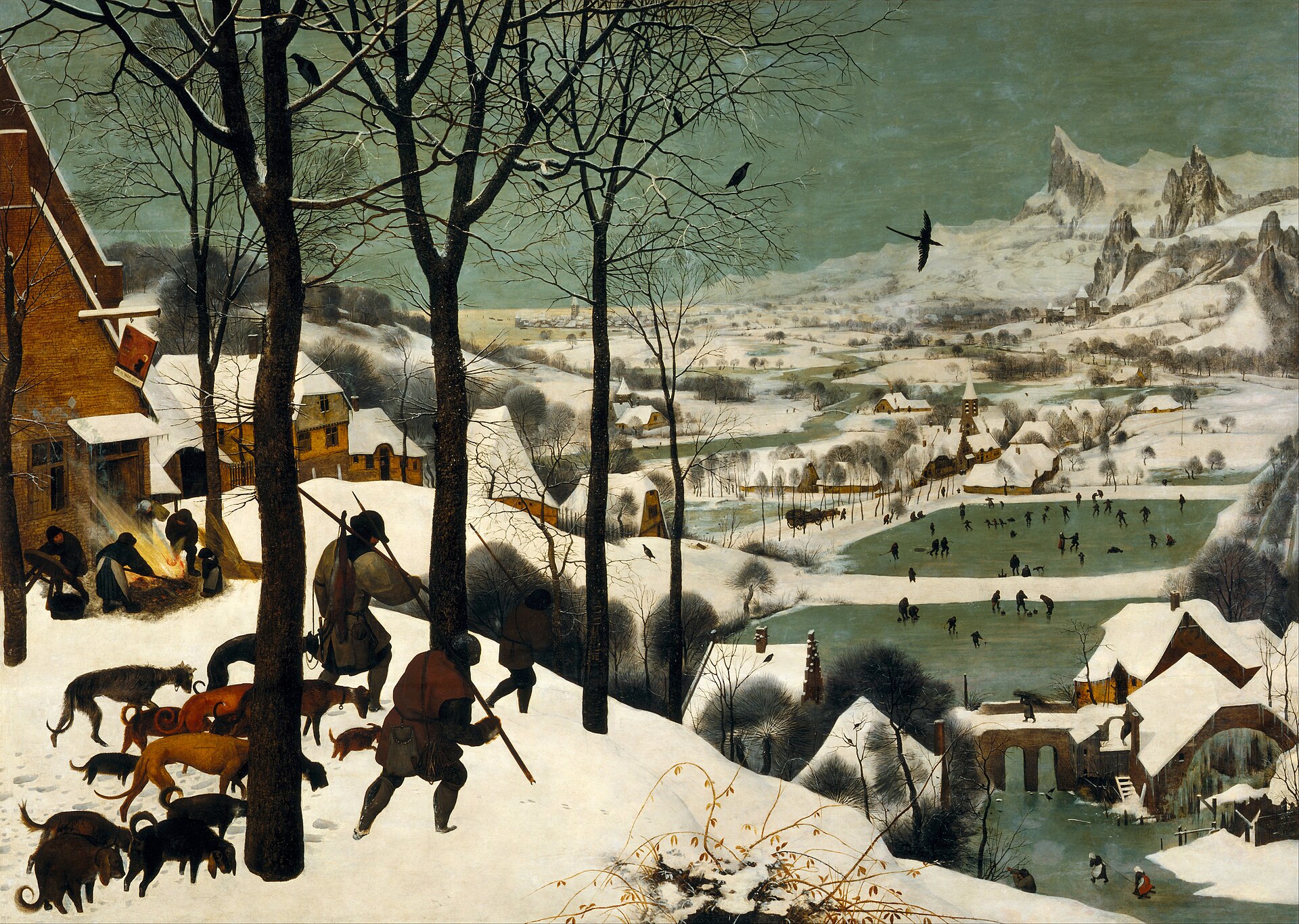
We sometimes say life was better then. But the place we long for holds more than streets and rooms: it holds the people we knew, the person we were, and the way we remember them now.
Pavese’s The Moon and the Bonfires brings me back to the question of return. Places change, people change, and memory is fragile: some details stay with us while others fade. We change with them. Returning to a place cannot restore the life we once had there.
I place that thought beside Tarkovsky’s Nostalghia and Bergson’s idea of duration: the past continues into the present, changing who we are. Even a familiar memory meets a different version of us each time we return to it.
In Bergman’s Wild Strawberries, Isak revisits scenes from his life that he cannot change. What can change is how he meets the people beside him now. That distinction matters to me: remembering can make room for another way of living, rather than leave us only with regret.
That connects with the question behind the name gigioneggiando: who are we, if even the stories we tell about ourselves keep changing?
I want to let nostalgia remind me of what I care about, and bring some of that care into the life I have now. There is still room for new places, new people, and memories we have yet to make.