Learning to look

Notes on Tarkovsky, Angelopoulos and the attention their films bring to everyday life.

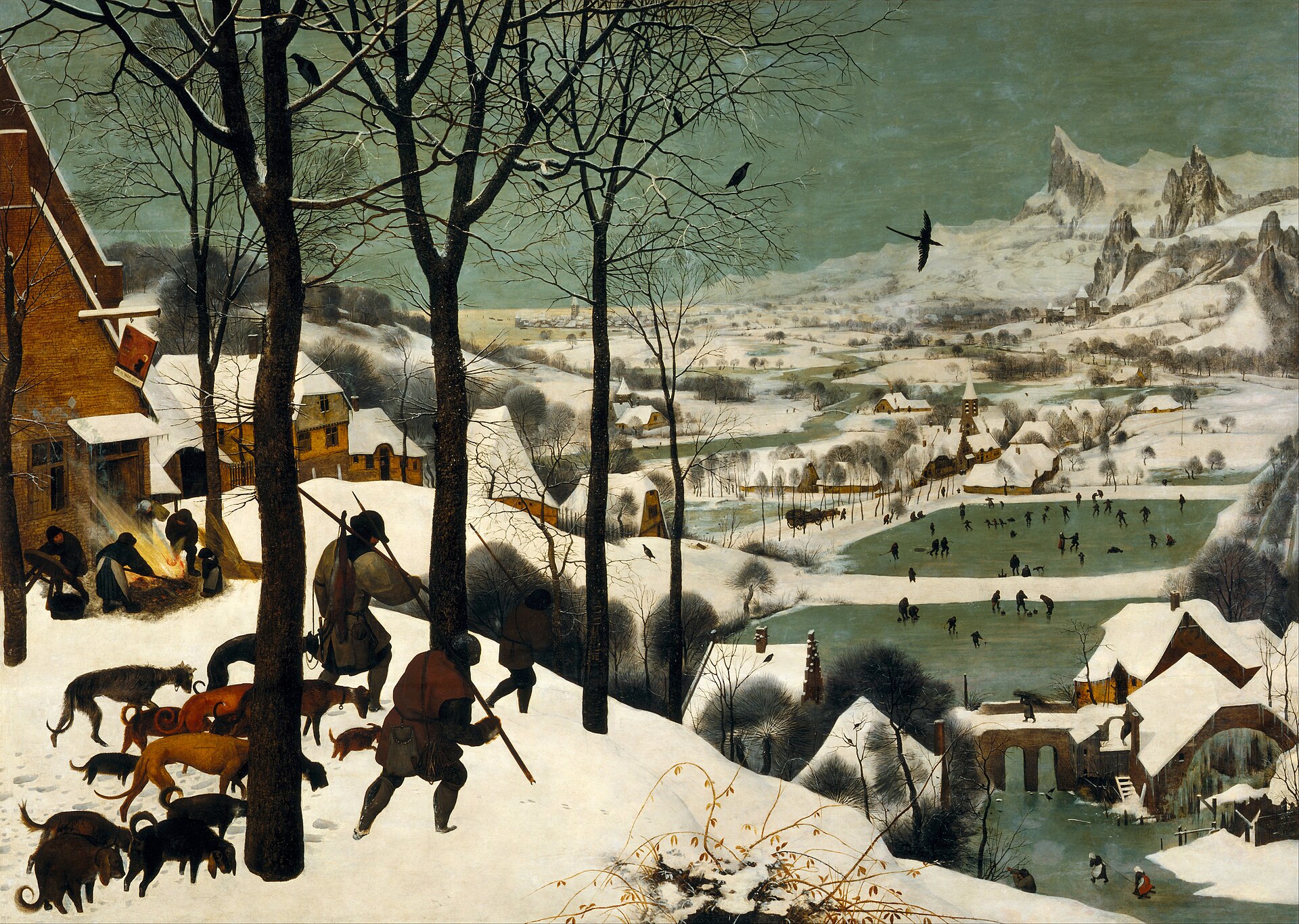
Hunters and dogs return through snow-covered trees above a village, with people skating on frozen ponds and distant mountains
Pieter Bruegel the Elder, The Hunters in the Snow, 1565.
Kunsthistorisches Museum, Vienna.
Google Art Project / Wikimedia Commons · Public domain

Perhaps paying attention is one way of learning to love the world.

In Tarkovsky’s films, a landscape has time to become a presence. Wind, water and trees remain in the frame long enough for us to notice them. I want to carry some of that attention back into everyday life.

Bruegel’s painting appears in Solaris and echoes in Mirror. Looking across it, from the hunters to the people on the ice, I find a whole world of small lives continuing.

Tarkovsky and Theo Angelopoulos are two filmmakers I keep returning to. Their films leave room for questions about time, home and our place among other people.

Water the tree

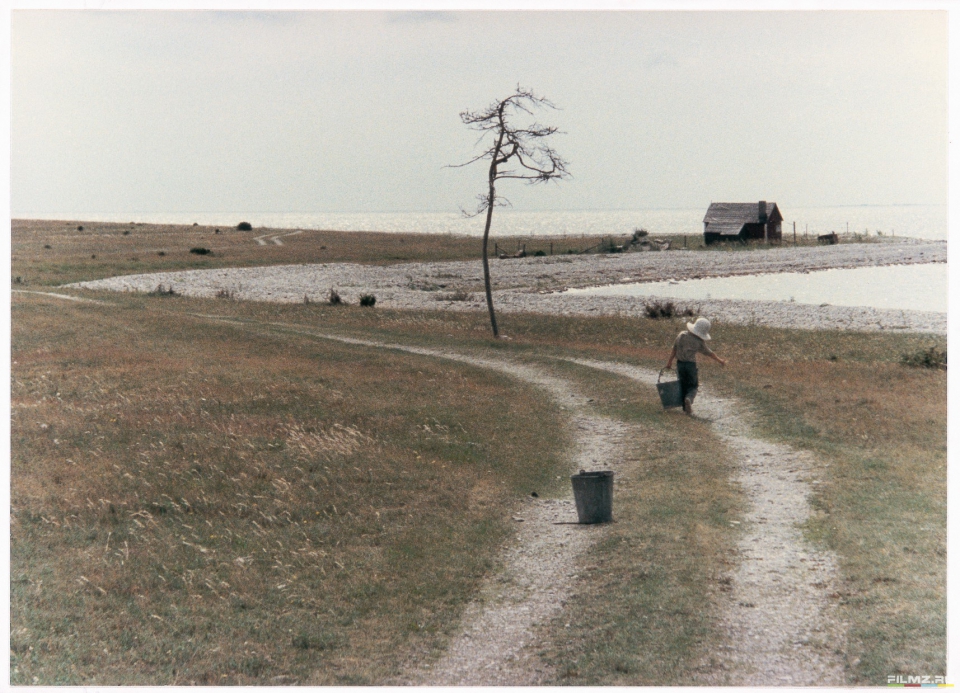
A boy carries a bucket on a winding path, with a bare tree, a small hut and the sea beyond
The Sacrifice, 1986. Directed by Andrei Tarkovsky.
Cinematography by Sven Nykvist. Image source.

In The Sacrifice, Alexander tells his son about a monk who waters a dry tree every day. Near the end of the film, the boy carries water to the tree himself.

It is one of my favourite Tarkovsky films. The tree seems lifeless, which makes watering it feel almost absurd. That small, repeated act is close to what I mean by care: giving something our time, even when we cannot be sure of the outcome.

I find hope in the decision to return tomorrow.

This image also appears on the cover of the 2015 Italian edition of Sculpting in Time.